Nasif House in Historic Jeddah: History and Key Facts
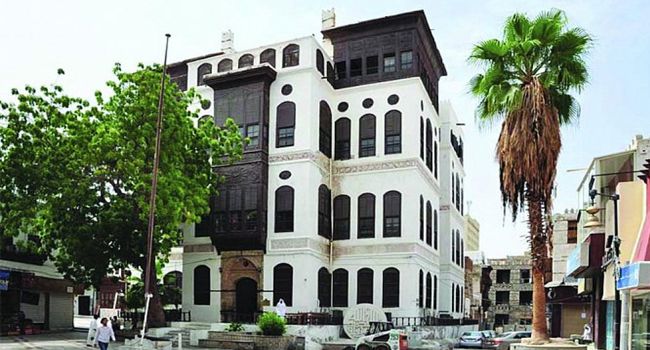
Nasif House in Historic Jeddah is one of the most prominent heritage landmarks in the city of Jeddah. Its construction dates back to 1289 AH (1872 AD). The house gained significant historical importance as the residence of King Abdulaziz Al Saud when he entered Jeddah. It is also distinguished by its Hijazi architectural style and famous wooden rawasheen.
Today, Nasif House is located within Historic Jeddah (Al-Balad), which is inscribed on the UNESCO World Heritage List, making it one of the most notable sites worth visiting when exploring the historic district.
What Is Nasif House in Historic Jeddah?
Nasif House in Historic Jeddah is one of the most famous heritage houses in Al-Balad and is distinguished by both its architectural and historical significance. It stands within the historic urban fabric that led to Historic Jeddah being inscribed on the UNESCO World Heritage List in 2014.
The house was built between 1872 and 1881 for Sheikh Omar Effendi Nasif. Its design was distinctive compared with other houses in Jeddah in terms of its size and layout. UNESCO’s nomination documents indicate that the architect who designed it was probably Turkish.
The importance of the house goes far beyond the beauty of its façade. It is closely connected to the political, social, and cultural history of Jeddah, which is why it is considered one of the most prominent landmarks of Historic Jeddah worth discovering when visiting Al-Balad.
For first-time visitors, joining a tour guide in Jeddah can make the experience much richer, as the true value of the building becomes more apparent when you learn about the stories associated with its rooms, architectural details, and the historical events that took place there.
The Story of Nasif House: From Historic Residence to National Symbol
The story of Nasif House began in the second half of the 19th century, when it was built for the Nasif family, one of the well-known families of Jeddah.
However, the most significant moment in its history came in December 1925, when King Abdulaziz Al Saud entered Jeddah and stayed at Nasif House. At the time, the house was regarded as one of the city’s most distinguished and suitable residences for his stay, and he received prominent figures of the city there.
This connection to a defining period in the establishment of the Kingdom gave the house a significance that extends beyond its architectural value and made it part of the national memory of Saudi Arabia.
Nasif House and the Historic Library
The house remained under the ownership of the Nasif family until 1975. At one stage in its history, Sheikh Muhammad Nasif transformed it into a private library that eventually grew to contain nearly 16,000 books. The building was later restored and converted into a museum and cultural center.
For this reason, a journey through Historic Jeddah becomes a journey through multiple layers of history, from trade and pilgrimage to traditional Hijazi houses and events connected to the history of the Kingdom.
Deep Tours offers a tourism experience that passes through this historic environment, bringing together landmarks, traditional markets, and local stories along a single route.
The Architectural Design of Nasif House
One of the most distinctive aspects of Nasif House in Historic Jeddah is its architecture, which reflects a building style adapted to the climate and environment of Jeddah.
UNESCO documents describe the house as notable for its plan, design, and scale. Some of its most distinctive architectural elements include:
- A large internal staircase connecting the different levels of the building while also helping air circulate inside.
- The Kiosk, a special elevated room located at the top of the house.
- An open rooftop area surrounding the kiosk, providing ventilation from multiple directions.
- A design that takes advantage of airflow, making the kiosk suitable for relaxation and sleeping because it remained relatively cooler than other areas of the house.
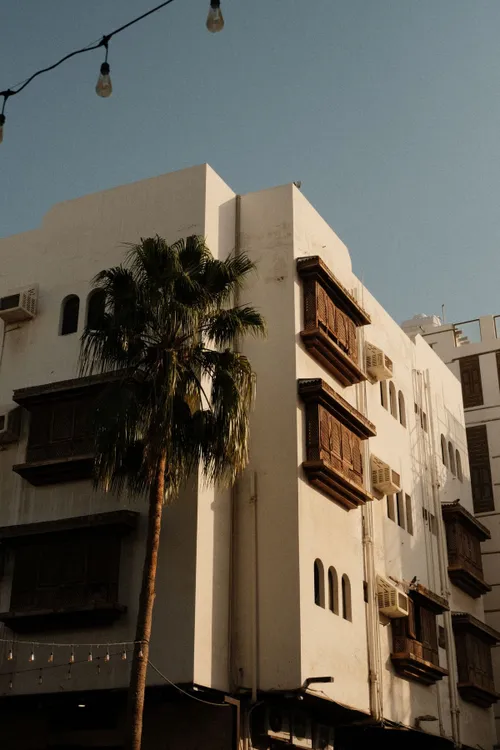
The house forms an integral part of the broader architectural character of Old Jeddah, whose historic buildings are famous for their large wooden rawasheen and distinctive tower-like structures built using materials and techniques associated with the Red Sea environment.
During a Jeddah Al-Balad tour, you will notice that the beauty of the area does not depend on a single building. Instead, it comes from the relationship between the historic houses, narrow alleys, markets, mosques, and small squares.
This is precisely what makes exploring the most prominent landmarks of Historic Jeddah on foot so different from simply passing through the area by car.
What Is Inside Nasif House?
The house contains rooms and spaces that reflect the lifestyle of large traditional Hijazi homes, with multiple entrances and internal pathways throughout the building.
UNESCO documentation indicates the presence of:
- A main entrance on the northern side.
- A secondary entrance that was used by women.
- A large staircase extending to the upper levels of the house.
- Interior spaces reflecting the character of large traditional homes in Jeddah.
The site is also closely associated with the historic library established by Sheikh Muhammad Nasif, which grew to approximately 16,000 books.
Are All Parts of Nasif House Open to Visitors?
When planning a visit, it is important not to assume that every part of the house is always open to visitors. Access to heritage sites may depend on opening hours, restoration work, or daily availability.
Deep Tours explains that access to certain sites included in its tours depends on availability on the day of the visit, and the order of attractions may change according to opening hours.
For this reason, having a tour guide in Jeddah can help you understand the significance of the house even when some interior areas are not accessible at the time of your tour.
Why Is Nasif House One of the Most Important Landmarks in Historic Jeddah?
The importance of the house comes from the combination of several elements in one place, most notably:
Hijazi architecture + social history + its connection to King Abdulaziz + its location within a globally recognized heritage area.
UNESCO inscribed Historic Jeddah as an outstanding example of architectural traditions associated with the Red Sea, as well as recognizing the city’s historic role as a gateway for pilgrims arriving by sea to Makkah.
Today, Historic Jeddah includes:
- More than 650 historic buildings.
- 5 historic markets.
- More than 36 historic mosques.
- An area of approximately 2.5 square kilometers.
Amid this remarkable heritage, Nasif House in Historic Jeddah remains one of the area’s most important landmarks because of its story, architecture, and place in the city’s collective memory.
For this reason, focusing on just one building may mean missing part of the bigger picture. A Historic Jeddah tour allows visitors to understand the relationship between Nasif House and Al-Alawi Market, Al-Shafi'i Mosque, Darb Qabel, and the surrounding traditional Hijazi houses.
Visiting Nasif House in Historic Jeddah
The best way to enjoy the visit is to set aside enough time to walk around Al-Balad rather than treating Nasif House as an isolated attraction.
Start by admiring the façade and architectural details, then pay attention to the rawasheen, narrow streets, and surrounding buildings. From there, continue your Jeddah Al-Balad tour toward the nearby markets, mosques, and other historic houses.
Important Tips Before Visiting Nasif House
- Wear comfortable shoes, as exploring Al-Balad involves considerable walking.
- Choose a time when temperatures are more moderate.
- Check the availability of access to the house and other heritage sites on the day of your visit.
- Set aside enough time for photography and exploring the nearby markets.
- Consider hiring a tour guide in Jeddah if you want to learn about the stories and details that may not be apparent simply by looking at the buildings.
To end the experience with a more complete local atmosphere, you can combine sightseeing with dinner in Historic Jeddah.
According to the currently published program, the Deep Tours experience includes a Saudi or Hijazi dinner along with Saudi coffee, tea, dates, and water.
Why Visit Nasif House as Part of a Historic Jeddah Tour?
Visiting Nasif House in Historic Jeddah becomes much more meaningful when you understand its relationship with the surrounding district rather than viewing it as an isolated building.
This is where an organized tour can add value, as it provides a route connecting the most prominent landmarks of Historic Jeddah, while offering background about the residents, merchants, pilgrims, and architectural traditions that shaped the identity of the city.
Deep Tours currently offers a group Jeddah Al-Balad walking tour in the evening that lasts approximately four hours, from 4:30 PM to 8:30 PM, according to the currently published itinerary. The starting time may vary slightly depending on the season and the opening hours of the sites.
The tour is led by a licensed Saudi tour guide from the Ministry of Tourism who speaks both Arabic and English.
The route includes attractions such as:
- Nasif House.
- Al-Shafi'i Mosque.
- Al-Alawi Market.
- Darb Qabel.
- A number of surrounding historic houses and landmarks.
The experience also includes time for photography and shopping for souvenirs, in addition to Saudi hospitality and a dinner in Historic Jeddah featuring Saudi or Hijazi cuisine.
In this way, a Historic Jeddah tour becomes more than simply viewing old buildings. It becomes an experience that introduces you to the stories, architecture, markets, and local flavors that define the area in a single evening.
Book Your Historic Jeddah Tour with Deep Tours
Behind every old door in Al-Balad lies a story, and with the right guide, you can discover where to look for it.
Book the Deep Tours group Historic Jeddah tour with dinner and hospitality and explore the most prominent landmarks of Historic Jeddah along a guided route led by a licensed tour guide, with traditional hospitality and dinner in Historic Jeddah.
You can also contact Deep Tours through the WhatsApp option shown on the tour page for assistance before booking.
Frequently Asked Questions About Nasif House
How Old Is Nasif House?
Construction of the house began in 1872 and was completed around 1881. This means that the building is approximately 145 years old in 2026, when its age is calculated from the completion of construction. It remains one of the most notable historic houses to discover during a Jeddah Al-Balad tour.
Why Did King Abdulaziz Stay at Nasif House?
When King Abdulaziz entered Jeddah in December 1925, he stayed at Nasif House and received prominent figures of the city there. At the time, the house was considered one of Jeddah’s most distinguished and suitable residences.
This event is one of the main reasons for the historic significance the house holds today.
What Are the Most Famous Landmarks Near Nasif House?
You can continue your Historic Jeddah journey by visiting:
- Al-Shafi'i Mosque.
- Al-Alawi Market.
- Darb Qabel.
- The traditional heritage houses spread throughout Al-Balad.
The area contains hundreds of historic buildings and dozens of historic mosques, so having a tour guide in Jeddah can help you organize your route and make better use of your visit time.
One suitable option is to organize your tour through Deep Tours. Its current program includes Nasif House, Al-Shafi'i Mosque, Al-Alawi Market, and Darb Qabel, followed by Saudi hospitality and dinner in Historic Jeddah.